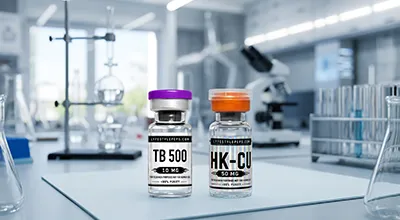
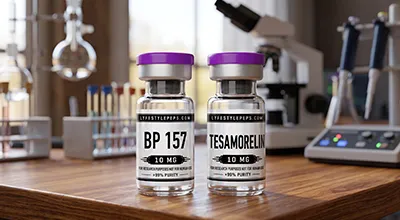
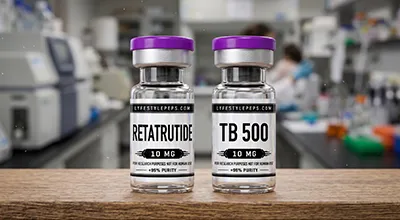
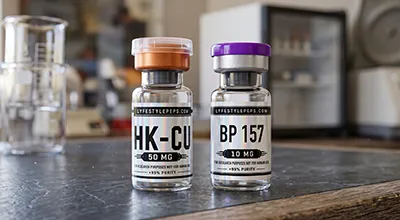
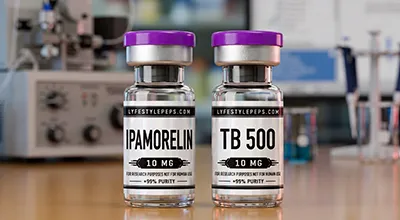
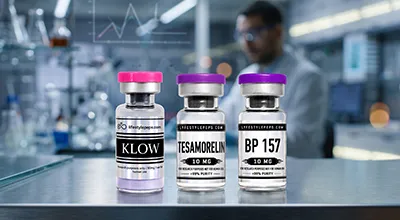
Every research peptide begins as a defined molecular sequence, engineered with intent rather than assembled by chance. Lifestyle Peptides supplies compounds built on this principle of structure, where each amino acid chain is designed for a specific research application before synthesis ever begins.
This structured approach carries through every stage of production, from sequence design to final packaging, so researchers receive a compound that behaves predictably in a laboratory setting. Structure is not a marketing word here. It is the foundation that makes reproducible research possible, every single time.
Precision Sequence Design Process
Sequence design is the first and most consequential step in producing a research peptide. Before any synthesis begins, the target amino acid sequence is mapped out with attention to the specific research context it will serve, whether that involves receptor-binding studies, enzyme-activity assays, or in vitro signaling research. Each amino acid position is selected deliberately because even a single substitution can change how a compound folds, interacts with a target, or behaves under experimental conditions. This stage draws on established peptide chemistry principles to predict how the final sequence will perform after synthesis and purification. Getting the sequence design right at this early stage reduces variability later in the process, which directly matters to researchers who depend on consistent, well characterized compounds.
Lifestyle Peptides treats sequence design as a scientific discipline rather than a shortcut, applying the same level of scrutiny to a research compound’s blueprint as is later applied to its purity testing and documentation, so the final product reflects exactly what was intended from the start. This attention to sequence design also supports researchers who require detailed technical records for internal review, institutional documentation, or comparison across multiple potential research suppliers today.
Solid Phase Peptide Synthesis
Solid phase peptide synthesis, commonly abbreviated SPPS, is the manufacturing method used to build each research compound one amino acid at a time. The process anchors the first amino acid to a solid resin support, then adds each subsequent residue through a repeated cycle of coupling and deprotection, working from the C-terminus toward the N-terminus of the target sequence. Fmoc chemistry is the most widely used protecting group strategy in this process, enabling controlled, sequential chain construction under mild conditions.
SPPS has remained the standard approach in peptide manufacturing for decades because it allows exact sequences to be reproduced reliably, batch after batch, which is essential for research consistency. This method remains trusted across laboratories seeking dependable, well documented peptide production.
Reverse Phase HPLC Purification Method
Crude peptide material from synthesis contains more than the target compound. Truncated sequences, deletion peptides, and oxidation byproducts are also present, and none of them belong in a research grade sample. Purification through reverse phase high performance liquid chromatography, or RP-HPLC, separates the target peptide from these impurities based on differences in hydrophobicity.
This same method is later used to measure purity in the finished product, creating a direct link between how a compound is purified and how its quality is ultimately verified before it reaches a researcher, for every product line.
Freeze-Drying and Long-Term Stability
Once a research peptide has been purified, it is lyophilized, a freeze drying process that removes water from the sample while it remains frozen. The result is a dry, stable powder rather than a liquid solution, and this distinction matters more than it might first appear. Lyophilized peptides are significantly more stable at ambient temperature than their liquid counterparts, which makes standard domestic shipping practical without compromising compound integrity in transit. It also extends the shelf life of compounds for researchers who need to store them for extended periods before use, whether in a refrigerator or a standard laboratory freezer. Lyophilization is a deliberate part of the supply process, not simply a packaging choice. It reflects an understanding of how research peptides behave outside a controlled synthesis environment and what a researcher actually needs when a vial arrives at their lab.
Lifestyle Peptides applies this step consistently across its catalog, so that every compound a researcher receives is in the most stable, dependable form available for the work ahead, ready for reconstitution using an appropriate solvent as part of standard laboratory preparation. Researchers can rely on consistent handling procedures across every compound in the catalog.
Complete Batch-Level Documentation Record
Every research peptide supplied by Lifestyle Peptides is tied to batch specific documentation, not generic claims about the product line as a whole. Each lot carries its own analytical record, generated independently of the synthesis process itself, so researchers can trace exactly what they received back to the specific production run it came from. This batch level approach to documentation is what separates a research grade supplier from one offering compounds with no verifiable history, and it is a standard that Lifestyle Peptides applies without exception to every product it supplies.