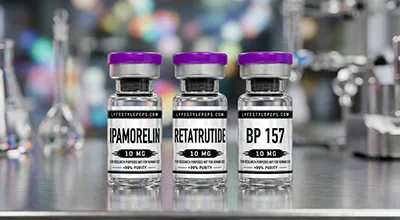
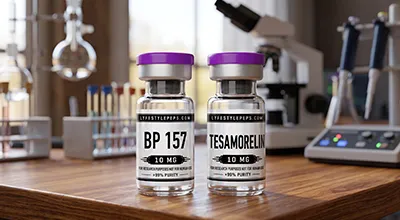
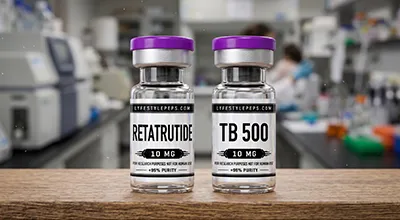
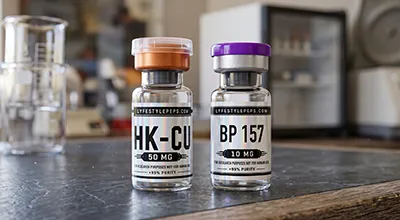
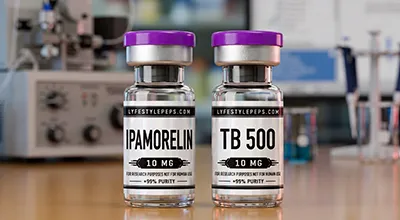
In addition to identity confirmation, every batch of research peptides is analyzed by high performance liquid chromatography (HPLC) to determine its purity. This method separates the target compound from residual synthesis byproducts based on subtle differences in chemical behavior, then measures the proportion of the sample that consists of the target peptide.
Research grade compounds are held to a minimum purity threshold, and the resulting HPLC data becomes a core component of the batch specific documentation provided to researchers.
Separating Compound From Impurities
Chromatographic separation works by passing the dissolved sample through a column that interacts differently with each component based on its chemical properties, most commonly its hydrophobicity. As the sample moves through the column, the target peptide and any residual impurities, such as truncated sequences or oxidation byproducts, separate and elute at different times. This separation allows the target compound to be measured independently of everything else in the sample, rather than as part of an undifferentiated mixture.
The quality of this separation directly affects the reliability of the subsequent purity result, which is why the chromatography method and column conditions for each compound are carefully selected and documented in the testing record. A poorly optimized separation can cause impurities to overlap with the target signal, understating their presence and producing a purity figure that does not accurately reflect the sample’s composition, so laboratories validate their separation conditions before applying them to batch testing.
Calculating Purity by Area
Once separation is complete, the instrument records a chromatogram showing a distinct peak for each component that exited the column. Purity is calculated as the area of the peak corresponding to the target peptide, expressed as a percentage of the total peak area across the entire chromatogram. This area percentage method reflects the proportion of the UV-absorbing material in the sample that is the target compound relative to all other detected material.
Because this calculation is based on measured peak areas rather than estimates, it yields a specific, reproducible value that can be compared directly to the purity threshold required for research grade classification.
Comparing Results to Threshold
The calculated purity percentage is then compared against the minimum threshold established for research grade peptides. Compounds that meet or exceed this threshold proceed toward batch clearance, while compounds that fall short are held and excluded from the active catalog. This comparison is applied consistently across every batch and every compound in our catalog, without exception, so that the purity figure listed on a Certificate of Analysis always reflects a result that has been checked against a defined, documented standard rather than an informal assessment.
Documenting Method and Conditions
Every HPLC result is recorded alongside the specific method and conditions used to produce it, including the column type, mobile phase composition, flow rate, and detection wavelength. This level of detail matters because purity results can vary depending on the method used to generate them, and a figure without accompanying methods is difficult for a researcher to interpret or compare with other data. By documenting the complete method alongside the result, the testing laboratory and Lifestyle Peptides ensure that the purity figure on a Certificate of Analysis can be understood in proper context rather than treated as an isolated number.
This documentation also supports internal consistency checks across batches of the same compound over time, allowing our team to identify whether a shift in reported purity reflects an actual change in the material or a difference in testing conditions between analyses. Complete method documentation is retained as part of the permanent batch record, forming another layer of the paper trail that supports every compound listed in our research catalog.
Determining Batch Pass Status
Based on the completed purity calculation and its comparison against the required threshold, each batch receives a documented pass or fail determination. A passing determination is one component of the broader clearance process alongside identity confirmation, and both must be satisfied before a batch becomes available for purchase.
A failing determination results in the batch being held or withdrawn rather than released. This determination is recorded in the permanent batch file, ensuring that every compound made available has a documented basis for meeting our purity standard.